

Ecumenical Relationships Commission

Purpose & Role

The Ecumenical Relationships Commission exists to strengthen the Global Methodist Church’s relationships with the wider Body of Christ. Grounded in our Wesleyan and connectional heritage, the Commission helps the Church pursue unity through friendship, learning, and shared witness.


We advise the Assembly of Bishops and the Connectional Council on matters related to ecumenical engagement, including participation in councils, networks, and associations of Christian bodies, as well as covenant relationships or potential pathways toward deeper connection. With a particular focus on relationships among Wesleyan and Methodist churches, we seek to nurture cooperation that honors our shared theological roots while remaining open to mutual learning across the Christian tradition.


Our work is guided by a posture of generous hospitality, humble curiosity, and ongoing conversation—believing that unity in Christ is strengthened not through uniformity, but through faithful relationship, trust, and collaboration in mission.
Who We Are


Members of the Ecumenical Relations Council are elected by the General Conference of the Global Methodist Church. The next commission will be elected during the 2026 General Conference.

Clergy

Scott Field  - Great Lakes

Han Seung Koh  - Korean American

Partricia Molik  - Northeast

Vatroslav Župančić - Central Europe

Sakiusa "Zak" Vakadewatabua  - Heartland

Bishop

Bishop Carolyn Moore - Chair

LaITY

David Duggan - Treasurer  - MidSouth

Scott Johnson  - Trinity

William McCuaig  - West Plains

Debbie Smalley  - AL Emerald Coast

Ed Murphy  - Mid Texas

Staff

Teresa Marcus - Connectional Relations Manager
Encouraging Local Ecumenical Relationships

We encourage Global Methodist local churches to build relationships with other churches and ministries in their communities.


Audience: Local churches


What we are doing:

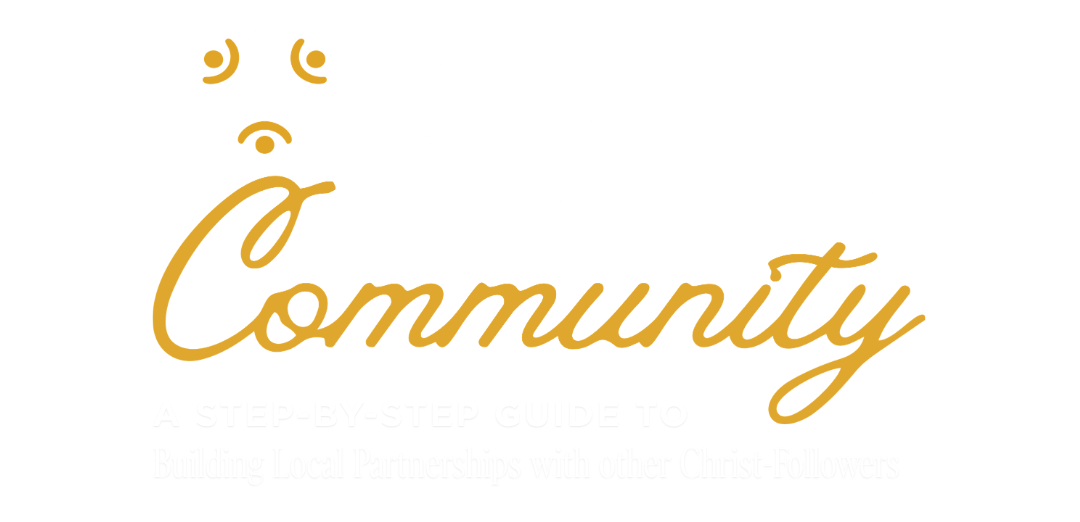
  • Developing a curriculum to help congregations form healthy, Gospel-centered relationships with non-GMC churches in their communities
  • Encouraging a posture of “receptive ecumenism,” where we listen, learn, and receive from others while remaining rooted in our own tradition

Grounded in Scripture, rooted in our Wesleyan heritage, and focused on practical action, this study equips congregations to strengthen their gospel witness through local partnerships that honor both biblical conviction and Christian unity.


Whether your church is seeking renewed purpose, greater community impact, or fresh opportunities for collaboration, Holiness in Community provides a practical pathway toward faithful partnership.

Explore the Curriculum

Wesleyan Distinctives


The Ecumenical Relationships Commission partnered with Dr. Tim Tennent to capture important training on the convictions that shape the Wesleyan movement — and on why those convictions have always pointed outward.


Wesley, Dr. Tennent argues, was a conjunctive theologian. He built by gathering, drawing streams of conviction from across the wider Christian church rather than defending one tradition against the rest. That habit is structural to Wesleyan theology, not incidental to it — which means a Wesleyan account of the faith arrives already in conversation with the church catholic.


Dr. Timothy C. Tennent holds the Methodist Chair of Divinity at Beeson Divinity School and is ordained in the Global Methodist Church.

Promoting Wesleyan Theology with Other Denominations

We pursue opportunities to promote Wesleyan theology alongside other denominations, including shared publishing projects.


Audience: Existing denominations and publishing houses


What we are doing:

  • Engaging in conversations with several Wesleyan-holiness and other denominations
  • Exploring joint publishing efforts
  • Working toward the publication of resources that support local churches and highlight Wesleyan theology in an ecumenical context

Sharing Best Practices Within the Global Methodist Church

We help connect what we learn from other traditions to the ongoing work of the Global Methodist Church.


Audience: Other GMC commissions, leadership teams, and eventually local churches


What we are doing:

  • Meeting with leaders from other denominations (for example, the Church of the Nazarene) for learning and discovery
  • Connecting commissions such as the Kingdom Advancement Commission with ecumenical resources
  • Continually looking for opportunities to resource the Assembly of Bishops, Connectional Council, and other commissions with best practices we discover

Walking with Groups Discerning Partnership or Membership

We walk alongside groups seeking to discern their best path forward in relationship with the Global Methodist Church.


Audience: Existing or forming groups of Christian churches exploring connection with the GMC, formally or informally


What we are doing:

  • Building covenant relationships with theologically aligned groups seeking closer partnership
  • Accompanying other groups as they discern whether full inclusion in the GMC is the right step
  • Encouraging organic relationships that emphasize connection at the local church level while providing guidance for those seeking a more formal relationship

Building Ecumenical Friendships and Networks

We cultivate friendships and mutual learning with ecumenical organizations and networks where unity in Christ can be emphasized.


Audience: Denominations and ecumenical networks


What we are doing:

  • Participating in groups such as Wesleyan Holiness Women’s Conference, Wesleyan Holiness Connection, and Global Wesleyan Alliance, all of which support orthodox-leaning Wesleyan denominations
  • Organizing an intercessory prayer group that prays over our emerging relationships
  • Engaging with Open Doors and planning to use their resources, including local church kits and “persecution preparedness” training
  • Exploring participation in ecumenical roundtable discussions in regions where persecution is more prevalent

How we work

The Ecumenical Relations Commission meets throughout the year via Zoom, organizing into smaller workgroups focused on building success through:


  • Churches in local communities working together across denominational lines
  • Pastors and lay leaders forming genuine friendships with one another
  • Shared learning and mutual support that strengthens the Body of Christ


HOW to Get Involved

Volunteers are welcome to join in a variety of projects that support and encourage the Body of Christ worldwide, including:


  • Curriculum development for local churches
  • Prayer support for networks and geographic regions
  • Support for the persecuted church
  • Other efforts that foster unity in the Church of Jesus Christ

If you are interested in serving, you may engage with our special project teams by contacting the commission.

When we meet

  • The Commission (closed group) meets monthly.
  • Special project teams (open groups) meet as needed based on the needs of specific initiatives.

resources IN DEVELOPMENT

We are developing a six-week curriculum for local churches that will:


  • Encourage ecumenical relationships in local communities
  • Provide practical guidance, theological grounding, and stories of churches working together
  • This resource is expected to be available on our site within the next 12 months.


Vision and Mission of the Commission on Ecumenical Relationships

Contact

Chair, Bishop Carolyn Moore

EcumenicalComm@globalmethodist.org