


A Defining Sunday: Nearly 700 Join Auburn Congregation in Shared Commitment
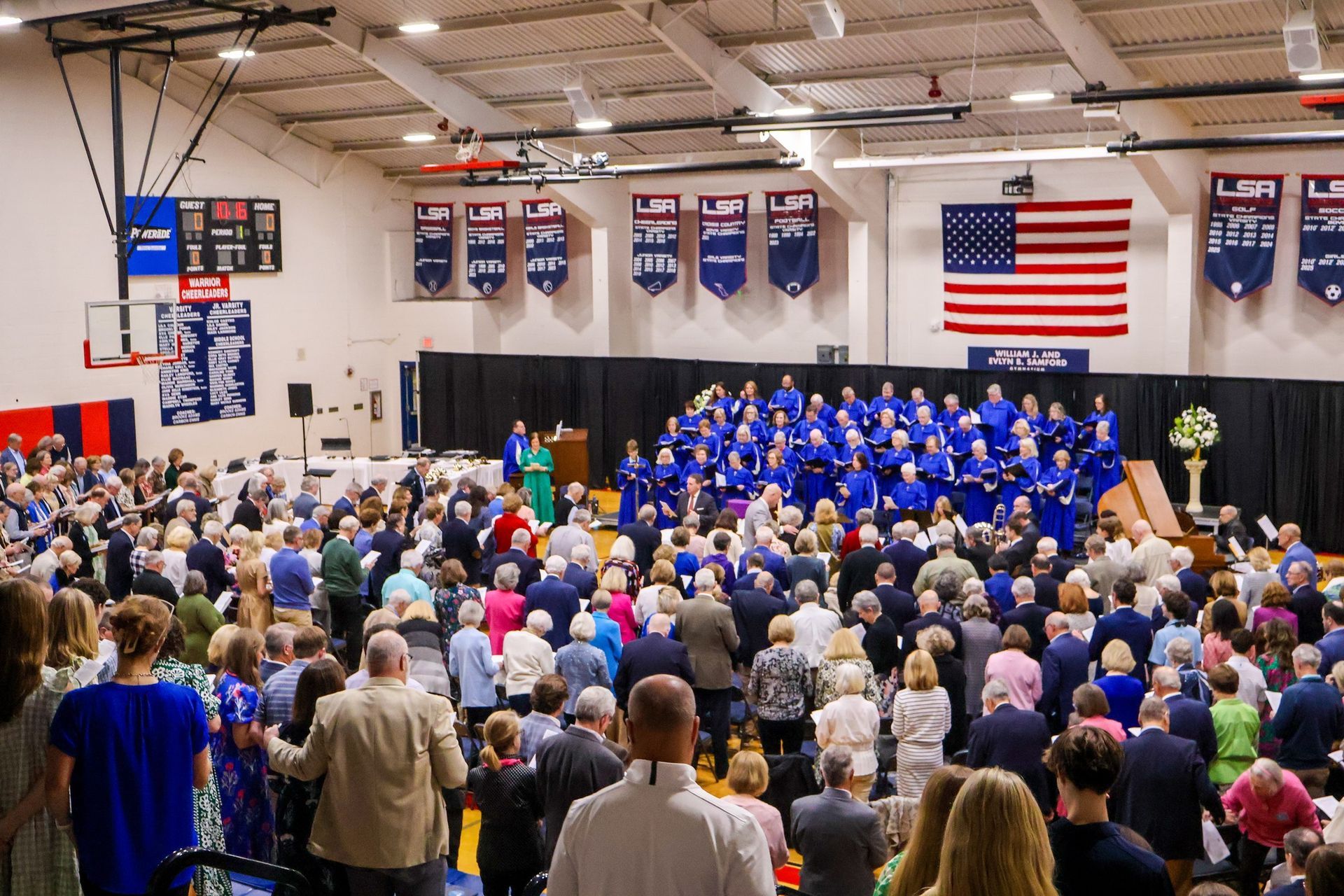
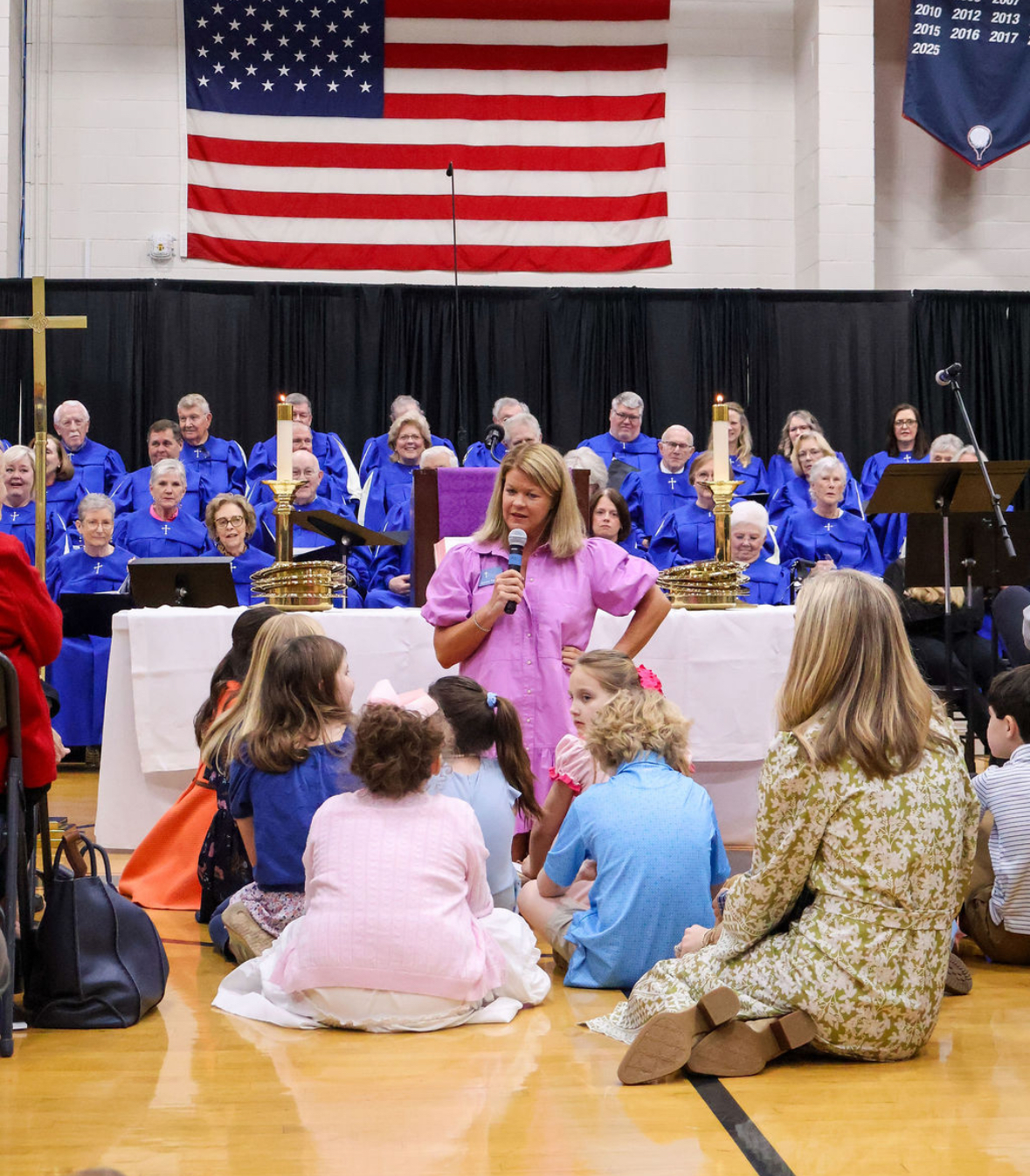
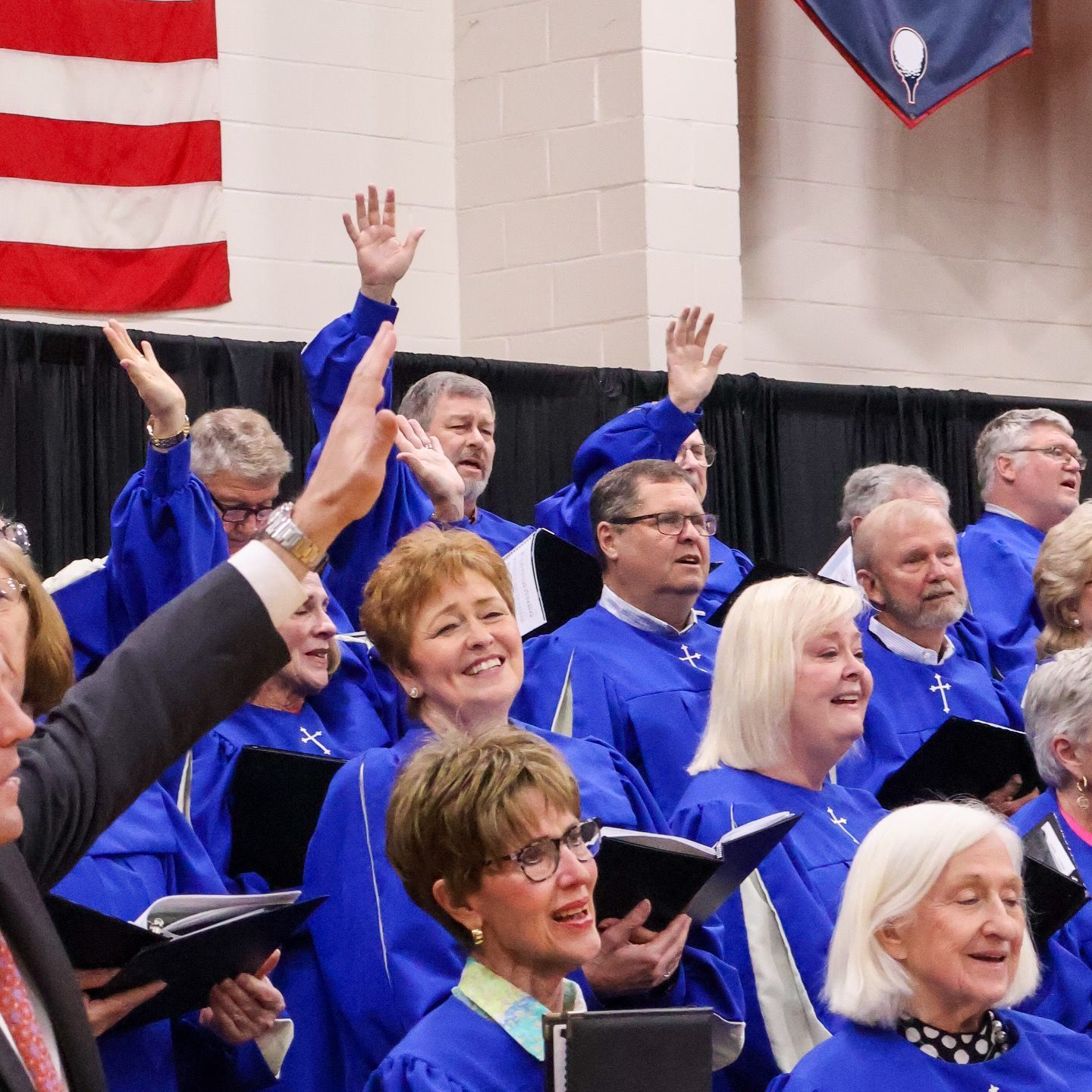
AUBURN, Ala. — On a Sunday that began before dawn in a high school gymnasium, a young congregation in Auburn witnessed something few churches of any size or stage ever experience: nearly 700 people standing together to take vows of membership.
For the church leaders of Christ Methodist Church of Auburn, the moment offers more than an inspiring story. It provides a case study in momentum, clarity of mission, and the often overlooked power of spiritual expectancy.
The church, still in its early years, has no permanent building. Its congregation gathers each week at a local academy, where volunteers arrive as early as 5 a.m. to transform a gym into a worship space with chairs, choir risers, and even a donated pipe organ assembled and disassembled week after week.
What could be seen as a limitation has, in practice, become formative.
“There are obstacles,” Dr. Tony McCullough, Senior Pastor, acknowledged, pointing to uncomfortable bleachers, constant setup, and the absence of traditional sacred space. “But once worship begins, it’s like we’re somewhere else entirely.”
That adaptability echoes early Methodist roots, meeting people where they are rather than waiting for ideal conditions. For clergy and church planters, it serves as a reminder that physical permanence is not a prerequisite for spiritual vitality.
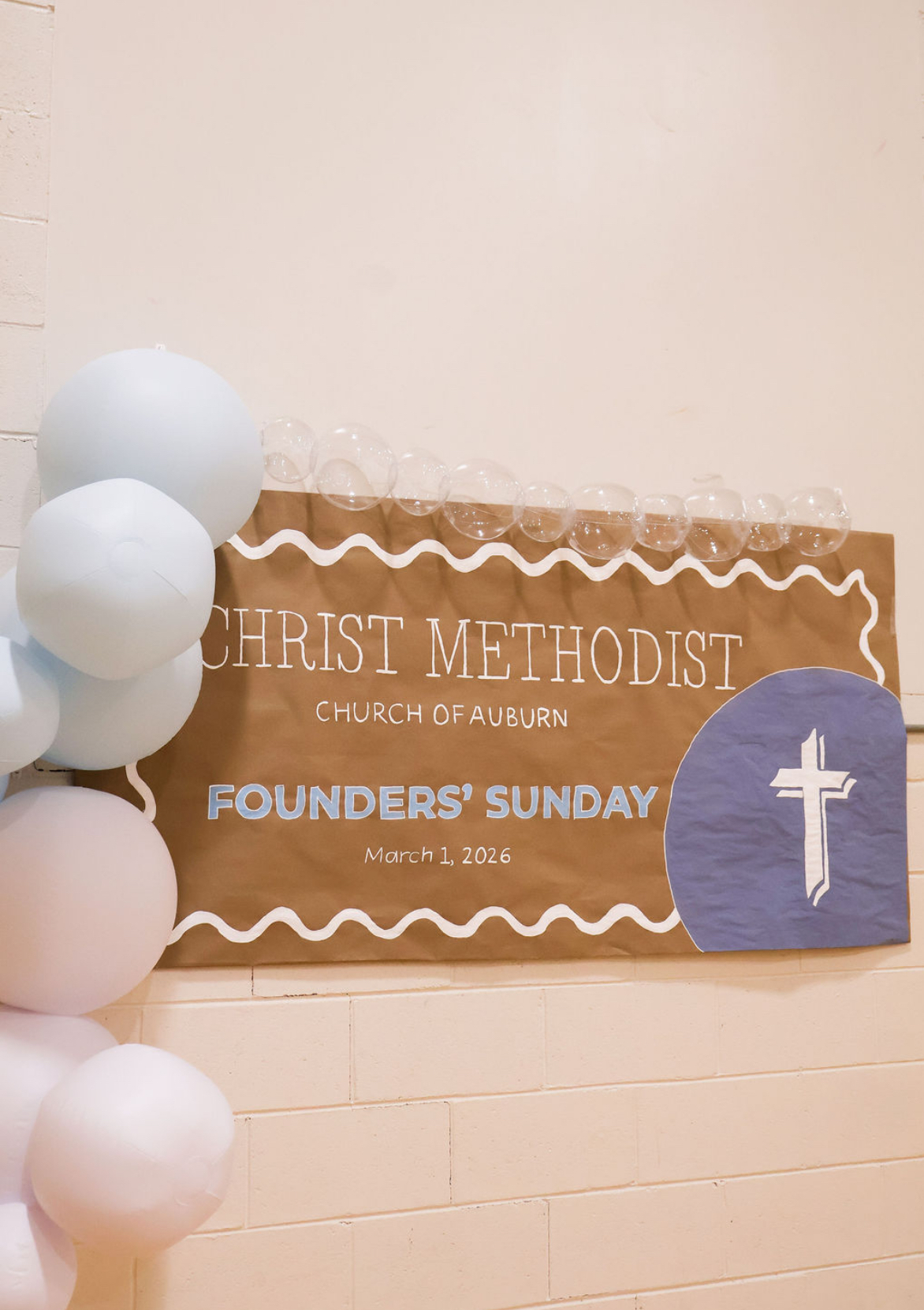
The church’s Founders Day did not emerge spontaneously. It was the result of deliberate pacing, layered leadership, and sustained spiritual preparation.
Though only formally organized in recent years, the congregation had already developed core structures prior to receiving members. Leadership teams, committees, and staff were in place, and average weekly attendance had stabilized between 400 and 500 in a single service, with additional growth following the launch of a second service, which is contemporary.
Internally, leadership set incremental goals, first 300 prospective founding members, then 500 as momentum built. By the time March 1 arrived, expectations had been exceeded well beyond projections. The takeaway is clear: measurable goals matter, but they must remain flexible enough to accommodate unexpected growth.
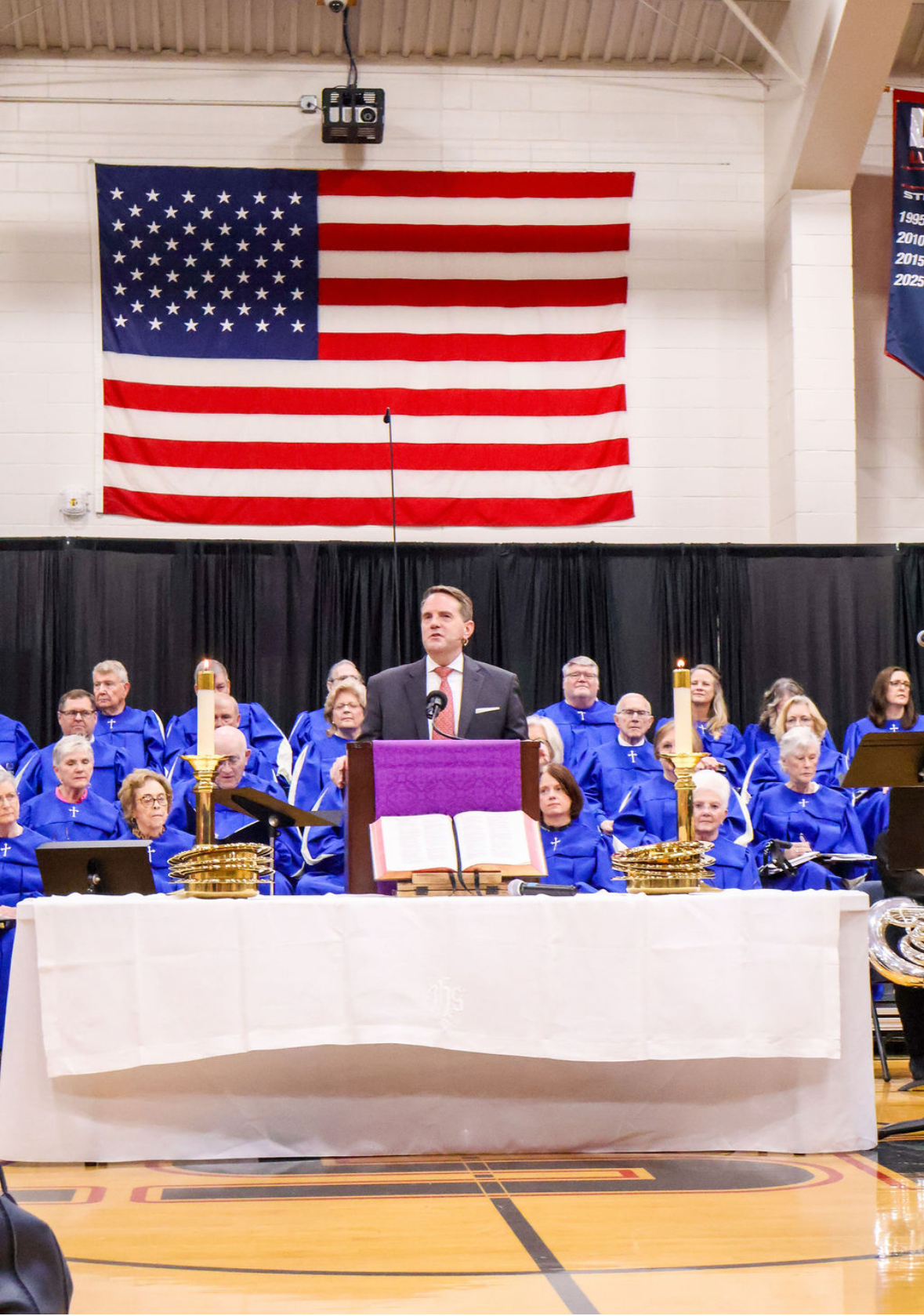
The Founders Day service itself was carefully constructed, blending strong liturgical elements with high quality musical worship and clear theological grounding. The sermon centered on 1 Peter 2, emphasizing Christ as the foundation of the church, a strategic choice that reinforced identity at a pivotal moment. Testimony from earlier leaders connected the present to the church’s origin story, honoring continuity and shared ownership.
Then came the defining act.
As membership vows were extended, the congregation was asked to stand. Every person in the room rose.
“It wasn’t casual,” Dr. McCullough noted. “It was very intentional.”
For leaders, this underscores the importance of clarity in the ask. People are willing to commit deeply when expectations are explicit and meaningful.
THE STAGE IS SET
From the earliest hours of the morning, volunteers sensed something unusual. Attendance surged. Every available chair was used. Some attendees arrived for the first time and chose to join on the spot, an uncommon but telling indicator of authenticity and trust.
Following the vows, the room erupted with a sustained, spontaneous response more akin to celebration than ceremony. The pastor likened the moment to the early church in Acts, not as a rhetorical flourish, but as the closest parallel he could find to describe the shared experience.
In a world where Church is often described in broader culture as declining or marginalized, this scene presented a striking counter narrative, a community marked by joy, conviction, and shared purpose. Notably, the pastor resisted framing the moment around his own leadership. Instead, he pointed to lay leaders who had carried the vision long before his arrival, those who prayed, organized, and sustained the church in its earliest stages.
“This is not about one person,” he reflected. “It’s a celebration of what God has done through many people.”
This posture is more than humility. It is strategic. Healthy growth environments distribute ownership, ensuring that momentum is not dependent on a single personality.
MORE THAN A MOMENT
Following the service, the congregation gathered for a reception, sharing stories, deepening relationships, and reinforcing the sense of belonging that had just been formalized. For church leaders observing from the outside, the more important question is not what happened that day, but what made that day possible.
This is a story of clarity of mission, consistent discipleship, measured growth, and shared leadership, all grounded in an unmistakable sense of spiritual expectation.
The result was not merely a large number of new members, but a congregation unified around identity and purpose, something many churches spend years trying to cultivate. The next chapter for Christ Methodist Church of Auburn will be how that momentum is sustained.
While the numbers are striking, the church’s leadership emphasizes that growth has not come at the expense of depth. Discipleship remains central to the congregation’s identity, supported by a strong network of Sunday school classes, Bible studies, and small groups meeting both on Sundays at Lee-Scott Academy and in homes throughout the community during the week.
That commitment has helped sustain momentum as the church continues to expand. With a current budget of approximately $2 million, the congregation is already planning for the future, exploring building options, and preparing for what could become a significant capital campaign in the coming months.
Yet even as the church looks ahead, its vision extends beyond its own walls.
Rather than focusing solely on internal growth, Dr. McCullough expressed a desire to support other Global Methodist congregations in the region, particularly smaller or newer churches navigating similar challenges.
“We want to be a church that helps strengthen the broader connection,” he said, noting the importance of collaboration and shared resources across the denomination.
That outward focus reflects a broader understanding of success, not simply measured in attendance or facilities, but in the church’s ability to contribute to the wider mission of advancing the Kingdom, spreading scriptural holiness, and making disciples of Jesus Christ.
As the Auburn congregation continues to grow, this extraordinary moment stands as both a celebration of what has been built and a signal of what lies ahead: a church rooted in discipleship, committed to community, and eager to serve beyond itself.