September 10, 2026
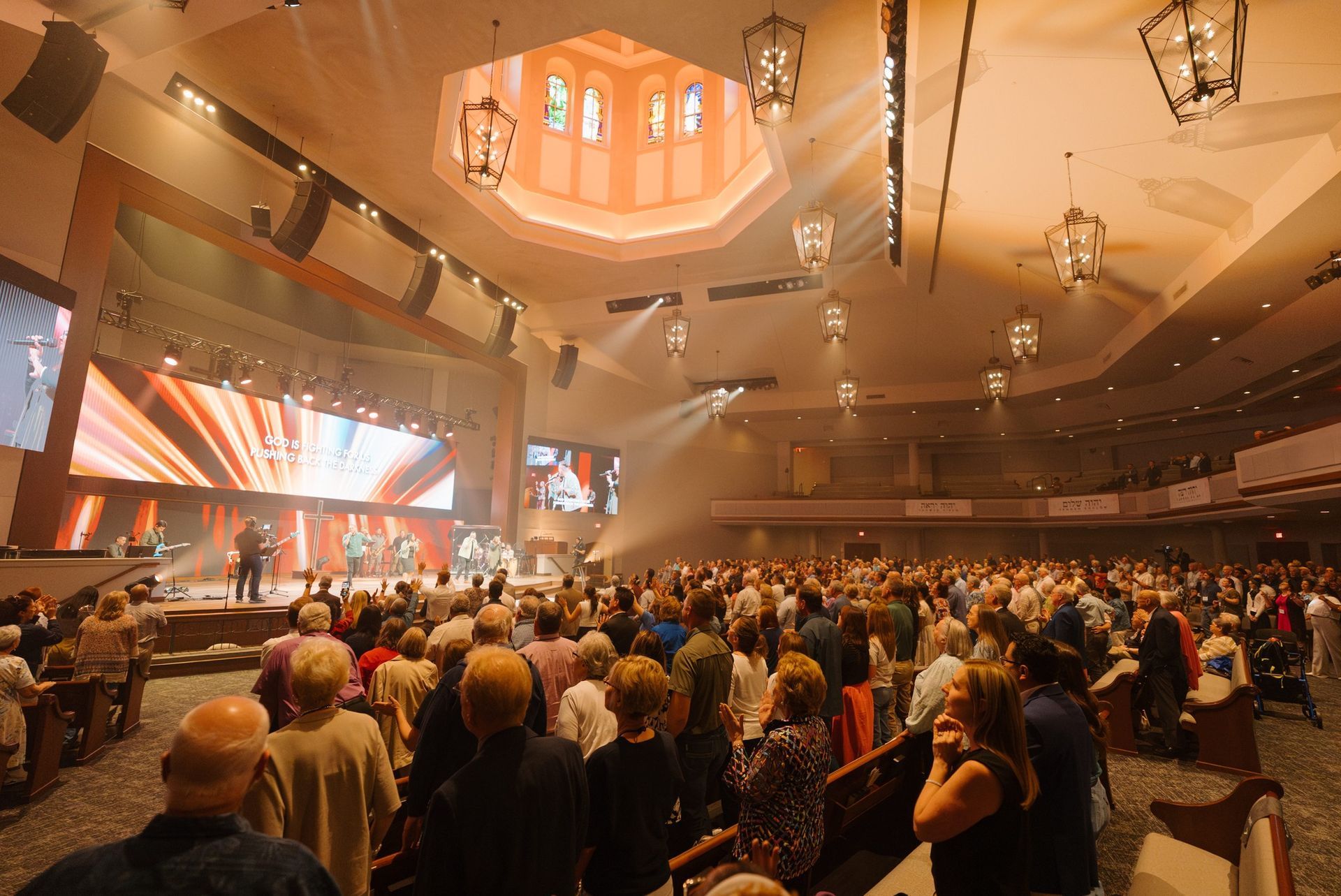
FOR IMMEDIATE RELEASE JOHANNESBURG, SOUTH AFRICA, September 5, 2026 - With worship, prayer and a renewed commitment to make disciples of Jesus Christ and spread scriptural holiness across the globe, the Global Methodist Church has concluded its 2026 General Conference at the Sandton Convention Centre in Johannesburg, South Africa. Gathered under the theme “The Beauty of Holiness,” clergy and lay delegates from across the global connection spent the week worshiping together, discerning the future of the Church, considering 451 petitions, electing denominational leaders, strengthening ecumenical relationships, and celebrating the extraordinary work God has done in the four years since the Global Methodist Church officially launched. The gathering marked the first General Conference of the Global Methodist Church held on the African continent and only the second General Conference in the denomination’s history. From the opening worship service to the final benediction, the conference reflected a Church increasingly shaped not by any one nation, language or culture, but by the shared Wesleyan conviction that God calls His people to holiness of heart and life and sends them into the world for the sake of the Gospel A Church Becoming Truly Global The growth of the Global Methodist Church since the 2024 Convening General Conference in San José, Costa Rica, provided a striking backdrop to the week. Connectional Operations Officer Rev. Mike Schafer reported that the denomination has grown from approximately 4,700 congregations following the 2024 General Conference to 7,250 congregations today. During the same period, the number of annual conferences has grown from 36 to 55, with six additional emerging areas that may become annual conferences. The number of annual conferences outside the United States has more than doubled. Those numbers were visible in the room. Worship throughout the week incorporated languages, music, prayer and leadership from across the worldwide connection. Delegates and guests came together from Africa, Asia, Europe, North America, South America and beyond, embodying what it increasingly means to be not simply a Methodist denomination with a global presence, but the Global Methodist Church. First Full-Time Assembly of Bishops Elected and Consecrated Among the most historic actions of the conference was the election of the Global Methodist Church’s first regular, full-time Assembly of Bishops. Following the interim episcopal structure established at the 2024 Convening General Conference, delegates elected eight bishops to serve as general superintendents of the whole Church during the 2026–2032 sexennial. After five ballots, the following were elected: · Episcopal Area 1 : Bishop Luther Oconer · Episcopal Area 2 : Bishop Jonathan Lee · Episcopal Area 3 : Bishop Mark Webb · Episcopal Area 4 : Bishop Lyndol Loyd · Episcopal Area 5 : Bishop Jerry Kulah · Episcopal Area 6 : Bishop Eduard Khegay · Episcopal Area 7 : Bishop Paul Lawler · Episcopal Area 8 : Bishop Carolyn Moore The eight episcopal areas intentionally bring together annual conferences from different regions of the world, reinforcing the Global Methodist Church’s commitment to a teaching episcopacy. Rather than serving primarily as regional executives, bishops are called to be teachers, spiritual leaders, and general superintendents of the whole Church, helping to strengthen our shared doctrine, mission, and Wesleyan identity across the connection. Those newly elected to the episcopacy were consecrated on the last day of the General Conference, and the new Assembly will officially begin its term of service on November 1, 2026. The conference also paused to honor those whose active episcopal service is concluding: Bishops John Pena Auta, Kimba Evariste, Jeffrey Greenway, Leah Gregory, Scott Jones and Kenneth Levingston. Delegates surrounded them in prayer and gave thanks for leaders who helped shepherd the denomination through its formative years. Establishing the Church’s Doctrinal Foundation Among the most consequential legislative matters before delegates was the continued work toward a combined Articles of Faith for the Global Methodist Church. Developed through the work of the Discipleship, Doctrine and Just Ministry Commission with feedback from church members, and refined through the legislative process, the Articles of Faith articulate the core beliefs that unite Global Methodists across nations, cultures and languages. Their adoption represents an important moment in the continuing formation of the denomination and a shared declaration of the faith the Church is committed to proclaiming and passing on to future generations. The Doctrine and Sacraments Legislative Committee used the commission’s report, Petition 1441, as its base text and undertook careful consideration of the proposed articles during its meetings in Johannesburg. The work represented more than an exercise in church law. It asked the Global Methodist Church to articulate clearly what it believes about God, Scripture, humanity, salvation, the Church, the sacraments and the Christian life — and to do so in a way faithful to the historic Christian faith and the Wesleyan tradition while speaking clearly to a worldwide Church. General Conference also took action on numerous other matters affecting the doctrine, ministry, governance and shared life of the Church. A complete record of adopted legislation and other official actions will be released following final review and certification by the General Conference Secretary. 451 Petitions Shape the Church’s Life Together Delegates considered 451 petitions addressing the doctrine, governance, ministry and shared life of the Global Methodist Church. The work was initially undertaken through eight legislative committees: Doctrine and Sacraments; Social Witness; Local Church; Ministry; Superintendency; Conferences; Constitution, Connectional Organization and Finance; and Judicial Administration. Following the committees’ work, legislation advanced to the full General Conference for consideration and final action, allowing clergy and lay delegates from across the global connection to discern together matters that will help shape the Church for years to come. The petitions addressed matters throughout the Book of Doctrines and Discipline, including foundational doctrine, the ministry of clergy and laity, episcopal leadership, annual and local church life, connectional governance, finances and the Church’s witness in the world. The legislative process reflected a defining commitment of the Global Methodist Church: that clergy and laity from across the connection share responsibility for discerning how the Church will order its life together while remaining faithful to its mission to make disciples of Jesus Christ and spread scriptural holiness across the globe. Leaders Elected to Serve the Connection General Conference also elected clergy and lay leaders who will carry significant responsibility for the work of the denomination between sessions of General Conference. Through elections to the Connectional Council, commissions and other connectional bodies, the Church entrusted men and women from across the worldwide connection with the work of guiding its ministries, governance, doctrine, mission and shared life during the coming years. Click to review election results Their election continues a governance model intentionally built around the shared ministry of clergy and laity and the participation of the global Church. A New Ecumenical Covenant General Conference unanimously approved a covenant of understanding between the Global Methodist Church and the Korean Methodist Church, strengthening a relationship rooted in more than a century of shared Methodist history. The covenant was formally signed in Johannesburg in the presence of President Bishop Kim Jung-seok and a historic delegation of Korean Methodist bishops and leaders. Service Projects and Community Outreach Through the Mission Experience, Global Methodists moved from the Sandton Convention Centre into communities throughout Johannesburg and Soweto for evangelism, prayer, leadership development, health ministries, children’s ministry and discipleship. Participants served alongside local congregations and ministry leaders from South Africa, Liberia, Zimbabwe, Fiji, the United States and elsewhere. Worship at the Heart of the Conference Throughout the week, worship was not treated as an interruption of the business of General Conference. It was the foundation beneath it. Scripture was read and prayers were offered in languages from across the global connection. Holy Communion was shared. Preachers repeatedly called the Church away from institutional self-preservation and toward deeper surrender to Jesus Christ. Again and again, the conference returned to the conviction at the heart of its theme: holiness begins with God, is formed in the presence of Christ and becomes visible through lives surrendered to Him. As the Church considered doctrine, elected bishops and debated legislation, it was continually reminded that none of those things is its ultimate mission. The mission remains to make disciples of Jesus Christ and spread scriptural holiness across the globe. Celebrating Africa and a Spirit of Generosity One of the most joyful moments of the week came as delegates and guests gathered for the Celebration of Africa, an evening honoring the faith, cultures, music and witness of the continent that welcomed the Global Methodist Church for its second General Conference. Through music, dance, testimony and fellowship, the celebration offered a glimpse of the richness of the worldwide Church and gave thanks for the extraordinary hospitality extended by our African brothers and sisters throughout the gathering. That spirit of celebration was matched by extraordinary generosity. During the evening, the Global Methodist family gave ZAR 378,708.89 (USD 23,858.66) in eight different currencies to Blessman International, with the offering designated to directly benefit Global Methodist churches and their ministry efforts in South Africa. The outpouring was a beautiful reminder that our connection is more than something we speak about. It is lived out in the ways we worship together, serve one another, and generously join in the work God is doing across the globe. A Word from the Assembly of Bishops Family and Friends of the Global Methodist Church, Our gratitude for God's goodness and your faithfulness in the days we shared together in South Africa. The spirit in the room, even during moments of important deliberation, was full of kindness and grace. We echo others in appreciating the rich times of worship, profound preaching, and deeply meaningful times of communion. We give thanks for the people of South Africa, the host churches, delegates, volunteers staff, worship leaders, interpreters, production teams, prayer teams, and countless servants who made the gathering possible. As we engaged in holy conferencing across culture and languages, we have experienced God working through our best efforts to create a historic and life-giving moment. At a deeper level, we noticed the palpable presence of trust among us. That indicates our desire to depend entirely upon the Holy Spirit, grow in perfect love, and live deeply into community. As the psalmist has written, "How good and pleasant it is when God's people live together in unity" (Psalm 133:1). The joyful, loving, and productive culture of this General Conference now returns to annual conferences and local churches around the globe with our sincere hope that this same culture will flourish among us. We on the Assembly of Bishops have grown close in the two years we've worked together. We will deeply miss those who are not returning -- Scott Jones, Jeff Greenway, Kenneth Levingston, Leah Hidde-Gregory, and John Pena Auta. There are no words to express the depth of our love and appreciation for these mighty saints and strong leaders in the Church of Jesus Christ. Their contributions have been significant, and they will be missed. We welcome a new group of bishops to the work and look forward to building a team of leaders that will take us through the next six years. We invite you to pray daily for the new Assembly of Bishops: Eduard Khegay, Jerry Kulah, Paul Lawler, Jonathan Lee, Lyndol Loyd, Carolyn Moore, Luther Oconer, and Mark Webb. The transition from our current Assembly to our newly elected Assembly will take place on October 31. Current bishops who are not continuing will step down on that date and new bishops will step into place on November 1. The new Assembly appreciates your patience as we pass off responsibilities and learn our new episcopal areas. The spiritual DNA we hope to carry forward into the next six years is exactly what we experienced in Johannesburg -- a culture of high trust, high transparency, a high view of scripture, a firm theological foundation, and a revived commitment to making disciples of Jesus Christ and spreading scriptural holiness across the globe. In all things may Jesus be praised! The Assembly of Bishops From Johannesburg to the World The 2026 General Conference will be remembered for its decisions: a first full-time Assembly of Bishops, consequential legislation, foundational doctrinal work, new connectional leadership and a significant ecumenical covenant. But the deeper story of Johannesburg may be what happened around and beneath those decisions. A young denomination gathered on African soil and discovered more clearly what it means to be global. People who speak different languages worshiped the same Lord. Clergy and laity shared responsibility for the future of the Church. Delegates debated and discerned, prayed and sang, celebrated and served. Outgoing leaders were blessed. New leaders were called. Relationships were strengthened. The Church looked back with gratitude and forward with expectation. The Global Methodist Church leaves Johannesburg considerably larger than it was when delegates left Costa Rica two years ago. Yet the calling before it remains unchanged. To know Christ. To become holy as He is holy. To make disciples. And to spread scriptural holiness across the globe. As General Conference 2026 comes to a close, the Global Methodist Church gives thanks for all God has done — and goes forward trusting that the One who called this Church into being will remain faithful in the work still ahead. ### About the Global Methodist Church The Global Methodist Church exists to make disciples of Jesus Christ and spread scriptural holiness across the globe. Empowered by the Holy Spirit, the Church envisions multiplying disciples of Jesus Christ throughout the earth who flourish in scriptural holiness as they worship passionately, love extravagantly, and witness boldly. Rooted in Scripture and led by the Spirit, the Global Methodist Church seeks to share the whole counsel of God with all peoples, advance the presence of God’s Kingdom in every culture and community, and serve the world as ambassadors of Christ with humility, love, and compassion. For more information, visit globalmethodist.org.